The daily duties of domestic helpers include cooking, cleaning, and other household chores. Working at home is not as easy as it looks, however. Accidents can happen anytime, especially if you’re not careful!
From learning how to use the cooking stove and electrical appliances, to handling chemicals and lifting heavy objects — domestic helpers should be alert and mindful at all times. What’s more, they should know what to do and who to call in cases of fire, accidents, and other emergencies.
Safety in the Kitchen
For cooking, many homes use liquefied petroleum gas (LPG) cylinders, although electric or induction cookers are also on the rise. Either way, you should should know how to operate the cooking stove at home. When handling hot pans and dishes, don’t forget to wear insulated gloves. And after using knives, blenders, or other kitchen equipment, be sure to store them properly.
Using Electrical Appliances
Everyday, you may be tasked to handle electric kettles, microwave ovens, vacuum cleaners, washing machines, and the like. Learn how to use them properly, and don’t be shy to ask questions when you’re not sure. Moreover, do check electrical wires from time to time, and let your employer know if you think something needs repair or replacement.
Using Chemicals
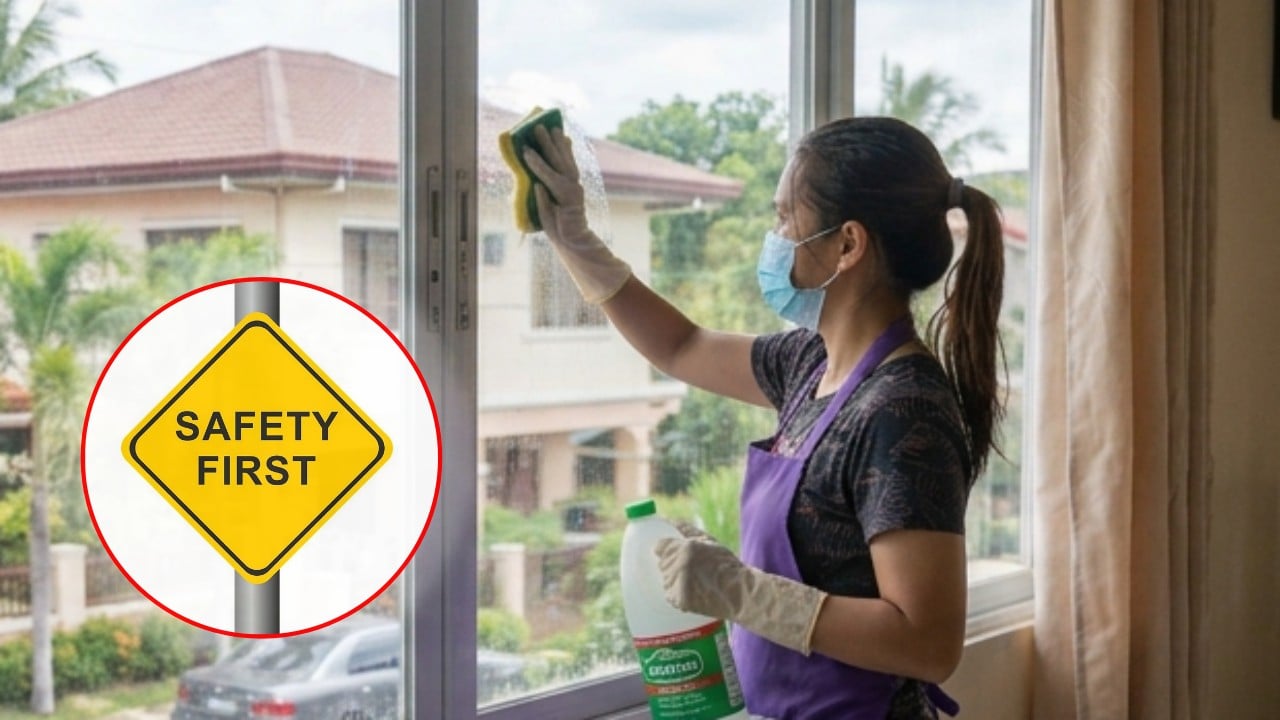
When cleaning, you’ll be handling detergents, bleaches, insecticides, and other products that might contain hazardous chemicals. Take time to wear gloves, face masks, goggles, and other protective gear before you handle such products. After cleaning, store the products properly in a cool, dry place; then wash your hands, arms, and face thoroughly.
Performing Work “Above Ground”
Above ground tasks include cleaning windows, cleaning air conditioners, and replacing light bulbs. When performing these tasks, use a suitable platform; make sure it is firm and steady before going up. If possible, ask another person to watch and keep the platform steady while you work.
Lifting and Handling
Occasionally, you might be required to lift or handle heavy objects, such as when moving furniture, or carrying a big water jug. For those who are taking care of young children or elderly persons, you might need to help them stand or sit up during feeding, bath times, or when changing clothes.
Repetitive heavy movements can put a strain on your body, so make sure you move carefully, and do stretching exercises from time. As much as possible, practice proper posture, especially when lifting objects.
Handling Emergencies
Injuries, gas leaks, fire… do you know what to do in cases of emergency? At times like these, you need to act quickly, yet calmly, without panic. If your employer is not home, call them. If the situation is life-threatening, call 999 for emergency services, and tell them whether you need the police, an ambulance, or the fire department.
In cases of minor injuries, make sure you know where the first aid box is, and how to use plasters, disinfectants, and basic first aid items. In case there’s a fire, take note of where the fire exit is; your priority is to save yourself, and the people under your care.
As a domestic helper, your health and safety is of the utmost importance. When you’re healthy and fit, you’re able to do your job well, including taking care of people in the household. For more guidelines and tips, visit the Occupational Safety and Health Council (OSHC) official website.
Of course, being healthy means getting enough rest, and taking time off, especially during the holidays. Check out this article on foreign domestic helpers’ rest days, holidays, and leaves, for more details.