Hong Kong labour law requires employers of foreign domestic helpers (FDHs) to submit a standard employment contract to the Immigration Department. This contract should indicate the domestic helper’s monthly salary, which should not be less than the prescribed minimum wage.
At present, the minimum allowable wage for FDHs is HK$ 5,220 per month. This salary must be paid at least once a month, and not later than seven days after the end of the wage period. But what if an employer pays less than the amount stated in the contract? In this case, there are certain things that domestic helpers can do if they are underpaid.
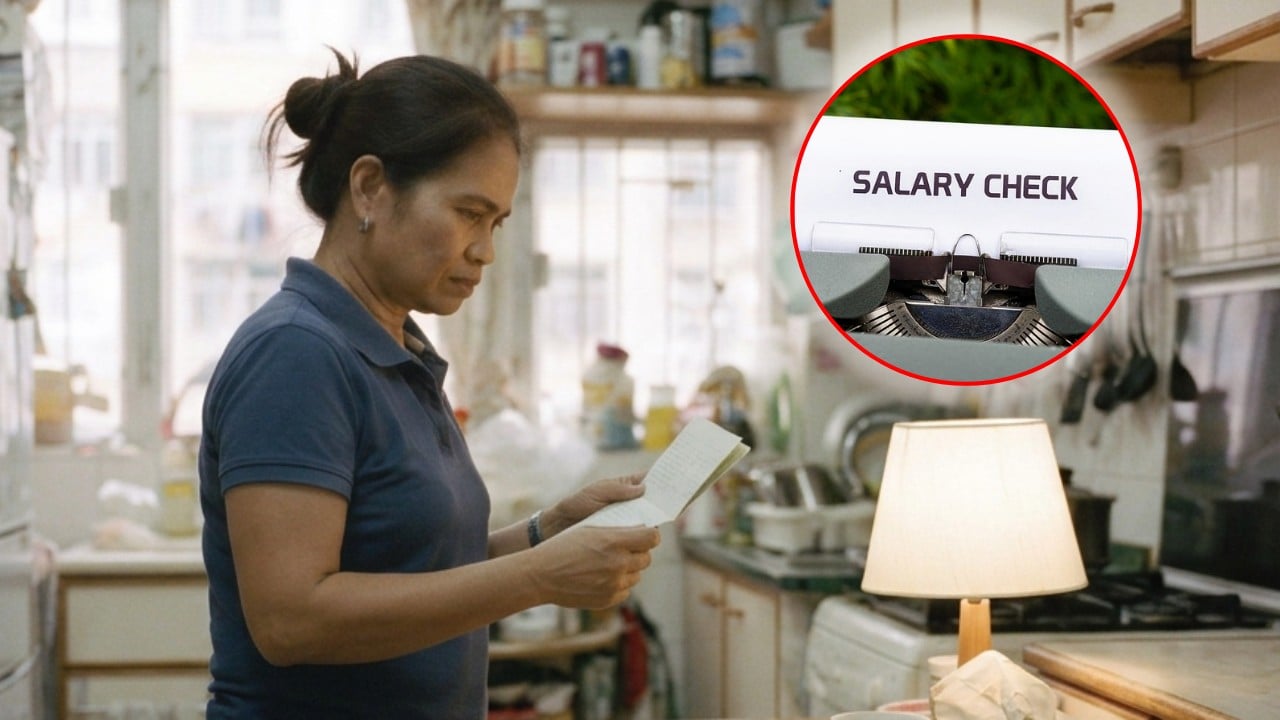
What to Do if You’re Paid Less Than Entitled Salary
The Hong Kong Labour Department states that if you are paid less than the salary stated in your contract, the first thing to do is to check with your employer if there has been any miscalculations. Do not acknowledge or sign a receipt; rather, ask for a reasonable explanation. If the employer refuses to pay the amount indicated in your contract, report the matter to the Labour Relations Division of the Labour Department.
You can contact the Labour Department by:
- Calling the 24/7 Labour Department Hotline at 2717 1771;
- Sending an email to fdh-enquiry@labour.gov.hk; or
- Going to the nearest Labour Relations Division branch office.
Branch Offices of Labour Relations Division
Below is a list of the Labour Relations Divisions branch offices in Hong Kong, along with their addresses. These offices are open Mondays to Fridays, from 9:00 am to 1:00 pm, and from 2:00 pm to 6:15 pm.
- Hong Kong East – 12/F, 14 Taikoo Wan Road, Taikoo Shing, Hong Kong;
- Hong Kong West – Units 904-906, 9/F, Infinitus Plaza, 199 Des Voeux Road Central, Sheung Wan, Hong Kong;
- Kowloon East – UGF, Trade and Industry Tower, 3 Concorde Road, Kowloon;
- Kowloon West – Room 1009, 10/F, Cheung Sha Wan Government Offices, 303 Cheung Sha Wan Road, Sham Shui Po, Kowloon;
- Kowloon South – 2/5, Mongkok Government Officers, 30 Luen Wan Street, Mong Kok, Kowloon;
- Kwun Tong – Units 801-806, 8/F, Tower 1, Millennium City 1, 388 Kwun Tong Road, Kwun Tong, Kowloon;
- Kwai Chung – 6/F, Kwai Hing Government Offices, 166-174 Hing Fong Road, Kwai Chung, New Territories;
- Tsuen Wan – 5/F, Tsuen Wan Government Offices, 38 Sai Lau Kok Road, Tsuen Wan, New Territories;
- Tuen Mun – Unit 2, East Wing, 22/F, Tuen Mun Central Square, 22 Hoi Wing Road, Tuen Mun, New Territories; and
- Sha Tin and Tai Po – Rooms 304-313, 3/F, Sha Tin Government Offices, 1 Sheung Wo Che Road, Sha Tin, New Territories.
NOTE: Visit this link to see the full list of areas covered by each branch office of the Labour Relations Division.
Penalties for Underpayment and Unlawful Deductions
Underpayment, or paying less than the amount stated in the employment contract, is a serious offence. An employer who fails to pay wages on time, and without reasonable excuse, could face a maximum fine of HK$ 350,000 and three years imprisonment upon conviction.
Similarly, making unlawful deductions is also considered a serious offence in Hong Kong. An employer who makes unlawful deductions from employees’ wages could face a maximum fine of HK$ 100,000 and one year imprisonment upon conviction.
One of the basic rights of foreign domestic helpers it the right to proper and timely wages. To avoid any future disputes, both the employer and employee should keep a record of wage payments, be it through bank statements, pay slips or written notes. If either party encounters problems, they should contact the nearest Labour Relations Division branch office.
Additionally, Filipino domestic helpers can also seek help from the Migrant Workers Office (MWO) in Hong Kong. Check out this article for more information about this office and how you can avail of its programs and services.
Disclaimer: This article is for general informational purposes only and should not be relied upon as legal advice or as the sole basis for any legal decision or action. For advice specific to your situation, please consult a qualified legal professional or the appropriate government authority.